Ireland may geographically be small, but it has an enormous amount to offer, including an incredibly rich culture, diverse artistic talent, lively people and gorgeous, lush landscapes.
Ireland may geographically be small, but it has an enormous amount to offer, including an incredibly rich culture, diverse artistic talent, lively people and gorgeous, lush landscapes. Well known for its economic and political history, Ireland went from one of the European Union’s poorer countries to one of the wealthiest from the mid-1990s to the mid-2000s, with an additional economic boom experienced in the past few years in light of Brexit regulations seeing big corporations move their European headquarters to Dublin. Thanks to Ireland’s central geographic location, the country is a perfect launching pad for travelling. Barcelona is two hours away, Rome is three hours, and for a short trip, the United Kingdom is barely 45 minutes away.
Ireland’s cities and towns are bursting with life and activity, from the fascinating medieval living history along the streets of Dublin to Adare’s thatched cottages and historic buildings, which helps earn it the title as one of Ireland’s prettiest towns. The quaint and quirky seaport town of Cobh is an important port for transatlantic ships, with it being the last stopping point in Europe before the Titanic began its fateful maiden voyage. There is so much more to Ireland than the traditional tourist destinations, with towns such as Kilkenny showcasing the Kilkenny Arts Festival which displays Irish and international creativity every August.

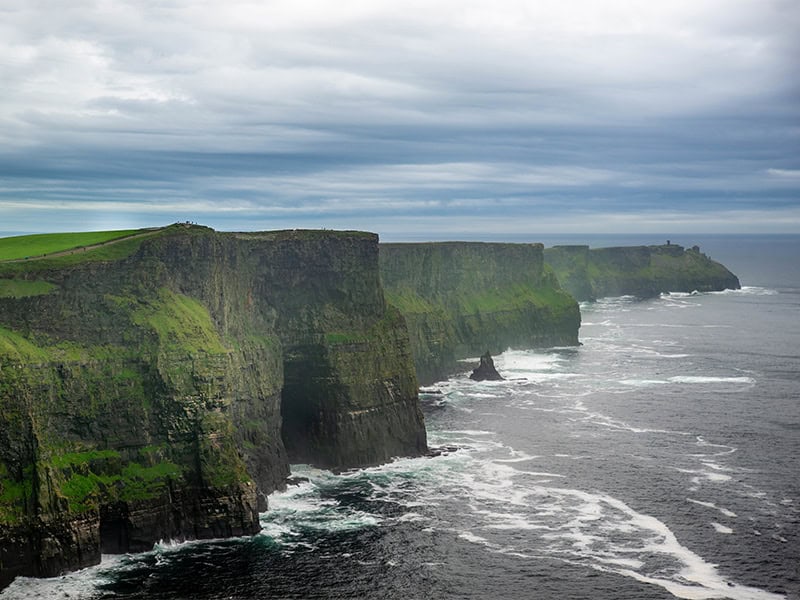
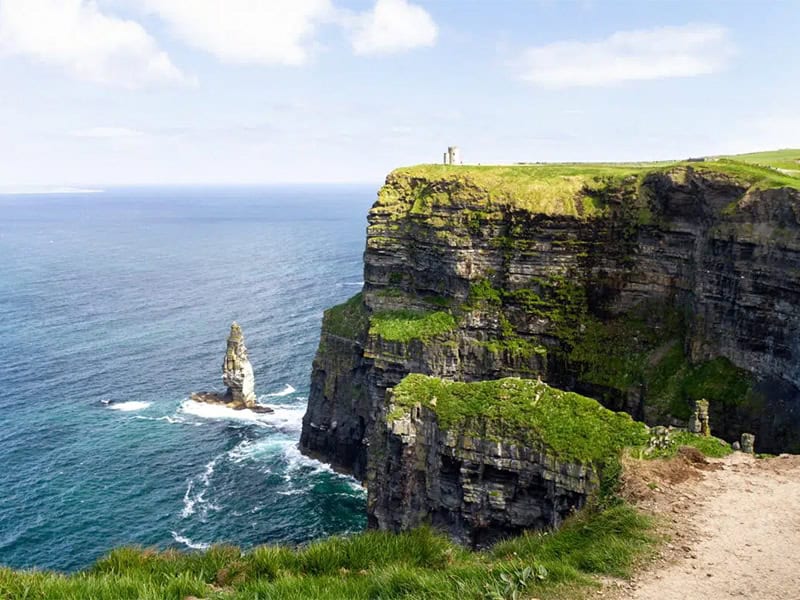
Explore the glorious Irish countryside and its landmarks with dramatic scenery and over 954 developed hiking trails all over the country, with vastly differing landscapes, such as ocean views on the Ballycotton Cliff Walk in Cork, to the Black Mountain ridge trail overlooking Belfast all the way across to Scotland on a clear day. With over 3,000km of coastline, Ireland is home to some of the most stunning beaches. From secluded bathers’ coves to stretches of exposed shoreline, locations such as Banna Strand in County Kerry and Dog’s Bay in County Galway are idyllic locations for holiday destinations and for partaking in recreational water sports.
Popular tourist destinations in Ireland include kissing The Blarney Stone, which is told to give a person the gift of eloquence and persuasiveness, visiting the creativity and culture of Galway city’s charming craft shops and old-style pubs, as well as sampling Michelin starred restaurants and traditional meals of venison liver, creamy mash and crispy onions. The Guinness Storehouse is a must-see attraction in the heart of Dublin City where visitors are able to discover the story of the iconic stout, experience the history and culture of the famous pint, all accompanied by a creamy pint in the Gravity Bar overlooking panoramic views of Dublin at the end of the tour.




At OSS World Wide Movers, our network of FIDI / FAIM accredited partners cover the whole of Ireland.
Our partners in Ireland are well versed in all aspects of the requirements for importation of personal and household goods.
This guarantees you a seamless, tailor made move to Ireland, right through to your new home not only your personal effects and vehicles, but also for your much loved pets as well.

When moving your household goods to Ireland by sea freight, this will typically take 10 -12 weeks for an FCL service. For services such as LCL and shared container services (i.e. groupage), these will take longer to reach your destination as your goods will need to be consolidated with other consignments heading to the same destination. Please discuss these options & shipping times with your removal consultant, as shipping times will vary greatly for each destination when using this type of service over an FCL service.

It is recommended that you do not ship items to Ireland which have been “owner packed” as they will attract a more stringent inspection by Customs on arrival. Providing a detailed carton by carton inventory will assist Customs in inspecting your effects, and may avoid unnecessary delays.
It is advisable to have your goods packed by OSS if you are looking at sending larger consignments, to ensure the clearance process can be conducted with a minimum of fuss.
Moving motor vehicles and motorbikes when moving to Ireland is possible provided Customs criteria are met. The service we provide is usually a depot to depot service, meaning the motor vehicle will need to be collected by you from our partner’s depot in Ireland following customs clearance. Customs may require evidence that the owner of the vehicle has owned the vehicle for at 6 months prior to transfer to Ireland & lived abroad for 12 months or longer, so a copy of your passport with a date stamp showing arrival in Ireland, or a copy of the lease or rental agreement in Ireland would be sufficient.
If you are importing a car from outside the EU you have to:
More information about importing a vehicle to Ireland can be found here.

OSS offers a full range of moving insurance options depending on your needs. Although your shipment to Ireland will be packed to export standards (designed to withstand the longest journey), the small cost of insurance gives you complete peace of mind with regard to the exposure and rigours that are always inherent when moving from one side of the world to the other.
Ask us about MoveCover, our Marine Transit Insurance product.
Moving overseas with your pets presents a unique set of logistical challenges. When moving with your loved pet, eg Cat or Dog, this process will be managed with a specialist ‘OSS approved’ pet moving provider who understands the needs of both pets and their owners and will take care of all the relevant arrangements for your move to Ireland.
The importation of pets into Ireland is strictly controlled to ensure that diseases such as rabies are not introduced. The EU system of Passports for Pets allows cats, dogs and ferrets to travel between EU member states and some other countries that are part of the scheme. The information in this document is about bringing a pet to Ireland, and is not about buying a pet abroad, or bringing animals into Ireland for commercial purposes. For EU rules to apply, you must travel to Ireland with your pet. If you are bringing a cat, dog or ferret from outside the EU (including the UK but not including Northern Ireland), you should follow the rules set out in ‘Cats, dogs and ferrets – non EU travel’ below.
For more information about taking your pets with you to Ireland follow this link here.
If you are considering a move to Ireland then it’s very important that you understand the many differences between the two nations taxation system. Nearly all income is liable to tax. Tax on income that you earn from employment is deducted from your wages by your employer on behalf of Revenue. This is known as Pay As You Earn (PAYE). The amount of tax that you have to pay depends on the amount of the income that you earn and on your personal circumstances. There are a range of income tax reliefs available that can reduce the amount of tax that you have to pay.
The Universal Social Charge (USC) is a tax on your income. It is charged on your gross income before any pension contributions or PRSI. You cannot use tax credits or tax relief (except for certain capital allowances) to reduce the amount you must pay. Find out more in the document on the Universal Social Charge. Tax is charged as a percentage of your income. The percentage that you pay depends on the amount of your income. The first part of your income, up to a certain amount, is taxed at 20%. This is known as the standard rate of tax and the amount that it applies to is known as the standard rate tax band. The remainder of your income is taxed at the higher rate of tax, 40%. The amount that you can earn before you start to pay the higher rate of tax is known as your standard rate cut-off point.
In 2022, the standard rate cut-off point for a married couple or civil partners is €45,800. If both are working, this amount is increased by the lower of the following:
If you don’t plan to use an accountant, be sure to do your research thoroughly so that you don’t end up facing fines or penalties. Please note that this information is general in nature and not specific to your circumstances.
It is vital that you understand and obtain specific accounting and taxation advice suitable to your individual circumstances prior to your arrival.
When looking to relocate to Ireland you will need to consider the extensive list of restricted and prohibited items. The following is a sample of the extensive list you can see via this PDF: Moving to Ireland – FIDI Guide
Certain goods cannot be imported to Ireland or can only be imported under licence. Examples of items that cannot be imported (or must be imported under licence):
Moving to Ireland with a boat is similar in the requirements to moving a vehicle to Ireland when it comes to the registration requirements and process. Customs and Quarantine in Ireland will have a special interest in the boat due to its exposure to marine life, however as Australia has a fairly clean marine environment, your boat should pass customs and quarantine without any problem.
The following link provides you with more information about the entry requirements: https://www.
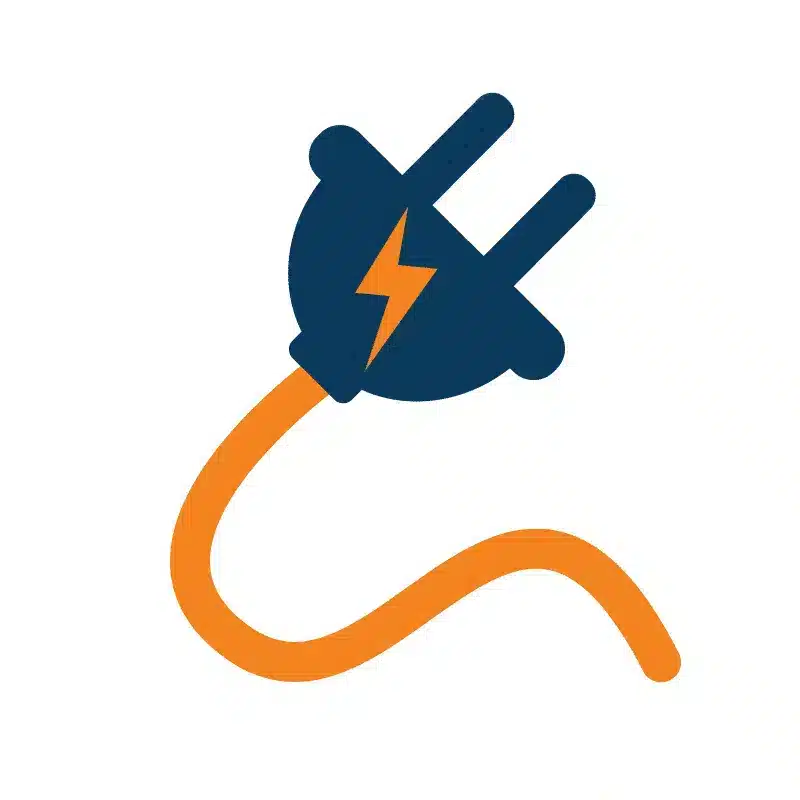
For Ireland the associated plug type is G, which is the plug that has three rectangular pins in a triangular pattern. Ireland operates on a 230V supply voltage and 50Hz.

Contact the Irish Embassy by visiting 20 Arkana Street, Yarralumla, ACT 2600 Canberra, Australia. Phone +612 6214 0000 or follow this link to the embassy website: https://www.dfa.ie/
Visa information can be found here: https://www.dfa.ie/irish-embassy/australia/our-services/visas/visas-for-ireland/
Passport information can be found here: https://www.dfa.ie/irish-embassy/australia/passports/how-to-apply-for-a-passport/
Immigration information can be found here: http://www.inis.gov.ie/en/INIS/pages/Immigratioon%20information
Citizenship information can be found here: https://www.dfa.ie/passports-citizenship/citizenship/
General information can be found here: https//www.dfa.ie/news-and-media/publications/publicationarchive/2013/may/ireland/ireland-in-brief
Facebook Page: https://www.facebook.com/SydneyIrishConsulate
Twitter Page: https://twitter.com/irlembaustralia
Capital (and largest city): Dublin ( Republic of Ireland) & Belfast (Northern Ireland)
Official Language (and national language): English (40% claimed the ability to speak some Irish in 2016 census)
Demonym(s): Irish
Area: 84,421 km squared
Population (2016): 6,572,728
Currency: Euro (EUR)
Time Zone: Greenwich Mean Time (UTC)
The geography of Ireland
The island of Ireland consists politically of the Republic of Ireland and Northern Ireland. Located west of the island of Great Britain, it is located at approximately 53° N 8° W. It has a total area of 84,079 km² (32,477 mile²). Ireland is separated from Britain by the Irish Sea and from mainland Europe by the Celtic Sea.
Ireland’s climate is temperate, though significantly warmer than almost all other locations at similar latitude, such as Poland (on the continent) or Newfoundland (on the opposite edge of the Atlantic), due to the warming influence of the North Atlantic drift. The prevailing wind blows from the south-west to the north-east, breaking on the high mountains of the west coast. Rainfall is therefore a particularly prominent part of western Irish life, with Valentia Island, off the west coast of County Kerry, getting almost twice as much annual rainfall as Dublin on the east (1400 mm vs. 762 mm). Across the country, about 60% of the annual rainfall occurs between August and January.
January and February are the coldest months of the year, and mean daily air temperatures fall between 4 and 7 °C during these months. July and August are the warmest, with a range of 14 to 16 °C. The sunniest months are May and June, with an average of five to seven hours sunshine per day.
Though extreme weather events in Ireland are comparatively rare when compared with other countries in the European Continent, they do occur. Explosive Atlantic depressions, occurring mainly in the months of December, January and February, can occasionally bring winds of up to 160 km/ph (100 mph) to Western coastal counties; while the summer months, and particularly around late July/early August, sudden and violent thunderstorms can develop, more especially, but not exclusively, across midland and western areas of the country.
Ireland boasts a characterful culture, full of unique traditions, customs, and origins so synonymous with the Emerald Isle. From Irish dancing to a love for potatoes, here are the most celebrated quirks of Irish culture.
What is considered disrespectful in Irish culture? There aren’t too many things considered disrespectful in Ireland, as the Irish are a pretty laidback bunch. However, it is best to avoid conversations about politics. Overall, just polite and friendly, and you’re more than likely to get on with most Irish people.
What is important in Irish culture? In the past, religion was an important aspect of Irish culture. However, this has declined in recent years. Now, some of the most important aspects of Irish culture surround having good ‘craic’, national festivities, and delving into Irish cultural activities, such as music.
What are the Irish famous for? The Irish are famous for many things, including our friendly locals, traditional music, great food and drinks, and historic traditions and customs.
Ireland has 2 official languages being Gaeilge and English. The Gaelic language in Ireland – Gaeilge, or Irish as it’s known locally – is a Celtic language and one of “the oldest and most historic written languages in the world” according to Foras na Gaeilge. Its poetic flow can be heard in schools across the country and throughout the shops, pubs, streets, fairs and festivals of the Gaeltacht (Irish speaking) regions.
There are 9 public holidays in Ireland each year. Public holidays may commemorate a special day or another event, for example, Saint Patrick’s Day (17 March) or Christmas Day (25 December). On a public holiday, sometimes called a bank holiday, most businesses and schools close. Other services (for example, public transport) still operate but often have restricted schedules.
© OSS World Wide Movers P/L.
All rights reserved.
ABN 47 000 776 750