Planning on moving to Germany from Australia? Find everything you need to know in this complete guide, including visas, housing & more.
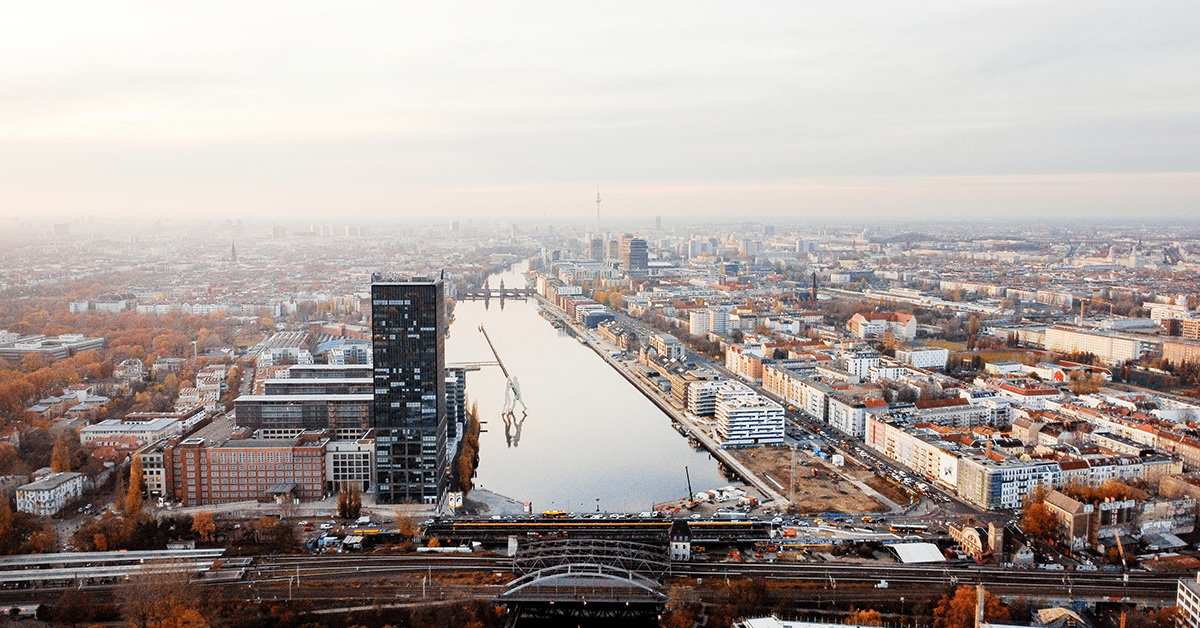
Whether you’re pursuing new job opportunities, studying abroad, reconnecting with family, or simply craving a lifestyle change, moving to Germany from Australia is an exciting venture. Known for its strong economy, rich culture, high quality of life, and efficient public infrastructure, Germany is one of the most popular European destinations for skilled professionals and students alike.
At OSS World Wide Movers, we’ve helped Australians relocate to cities like Berlin, Munich, Hamburg, and Frankfurt for decades. This relocation guide is designed to walk you through every step of the journey, from visa requirements and the cost of living to setting up your new life on German soil.
Population: Approx. 84 million (2025 estimate)
Official Languages: German (many Germans speak English, especially in major cities)
Currency: Euro (€)
Largest Cities: Berlin, Hamburg, Munich, Cologne, Frankfurt
Climate: Cold winters and mild summers. Snow is common in the winter months.
Average Yearly Salary: €50,000 – €60,000 depending on profession and region ($89,000 – $107,000AUD)
Government Type: Federal parliamentary republic
Australians can enter Germany visa-free for up to 90 days within a 180-day period for tourism or business. However, for longer stays or work purposes, you will need to apply for a residence visa before or shortly after arrival.
Popular visa types include:
Applications can be submitted via the German Embassy or Consulate in Australia. Upon arrival, you must register your residence (Anmeldung) and apply for a residence permit at the local Ausländerbehörde (Foreigners’ Office).
Germany is generally more affordable than Australia, though costs can vary by city:
While Berlin remains relatively affordable, cities like Munich and Frankfurt are on the pricier end. Many Germans live in smaller apartments and rely on cycling or public transport over owning a car.
Public education in Germany is compulsory from ages 6 to 18, and the system is well-structured and academically rigorous. After four years of Grundschule (primary school), students are streamed into one of several types of secondary schools:
All public schools are tuition-free, and curricula are determined by each of Germany’s 16 federal states (Länder). International schools and bilingual schools are available in larger cities, often following British, American, or IB (International Baccalaureate) programmes. These schools charge fees but offer smoother transitions for expat children.
Germany is one of the best countries in the world for higher education—especially for international students. Most public universities do not charge tuition fees, even for international students, though a small semester contribution fee (typically €100–€350) is required. Students must cover living costs and demonstrate financial resources (about €11,208/year in 2025) as part of their visa process.
Top universities include:
Many courses, especially at the Master’s level, are available in English. Application deadlines are usually in July (for winter semester) and January (for summer semester). Admissions often go through the Uni-Assist portal.
Germany’s healthcare system is ranked among the best in the world, offering universal access to high-quality medical care. Enrolment in health insurance is mandatory for all residents, including international students, workers, and dependents.
This statutory insurance covers most medical needs, including general practitioner visits, specialist care, hospitalisation, maternity care, and basic dental treatment. GKV contributions are approximately 14–15% of gross salary, shared equally by employee and employer.
Major providers include:
You can choose your provider based on customer service, reimbursement processing, and digital access. Coverage is standardised, but service levels vary.
Available to high-income earners, the self-employed, and students under 30. PKV offers quicker appointments, private hospital rooms, and more specialist access—but premiums are based on risk (age, health status, coverage). Not all PKV providers offer English-speaking service, so choose carefully.
Emergency medical care is excellent and widely available. You’ll need your health card (Gesundheitskarte) when visiting a doctor or hospital. Pharmacies (Apotheken) are well-staffed and regulated, and many speak English in urban areas.
This is your first administrative task when moving to Germany from Australia. Visit your local Bürgeramt (town hall) with:
This registration is required for obtaining a tax ID, opening a bank account, getting health insurance, and applying for your residence permit.
To receive wages or pay rent, you’ll need a German bank account. Choose between traditional banks (e.g. Deutsche Bank, Commerzbank) or modern digital banks (e.g. N26, Revolut, DKB). Required documents include:
Contracts typically last 24 months, but prepaid options are also common. Providers include:
You may need a German bank account and ID to set up contracts. Mobile reception is strong, and data speeds are reliable.
If utilities are not included in your rent, you’ll need to register with local providers. Electricity (e.g. E.ON, Vattenfall) and gas contracts can be started online. Water and waste are managed by the municipality. Recycling is mandatory and follows a strict bin system:
The €49 Deutschlandticket offers unlimited use of all regional and local public transport across the country. For long-distance travel, use Deutsche Bahn (DB) trains and apps like BlaBlaCar, FlixBus, and Omio for affordable intercity travel. Cities like Berlin and Munich have efficient U-Bahn (subway), S-Bahn (suburban train), buses, and trams.
Cycling is encouraged, and many cities have dedicated bike lanes and shared bike services.
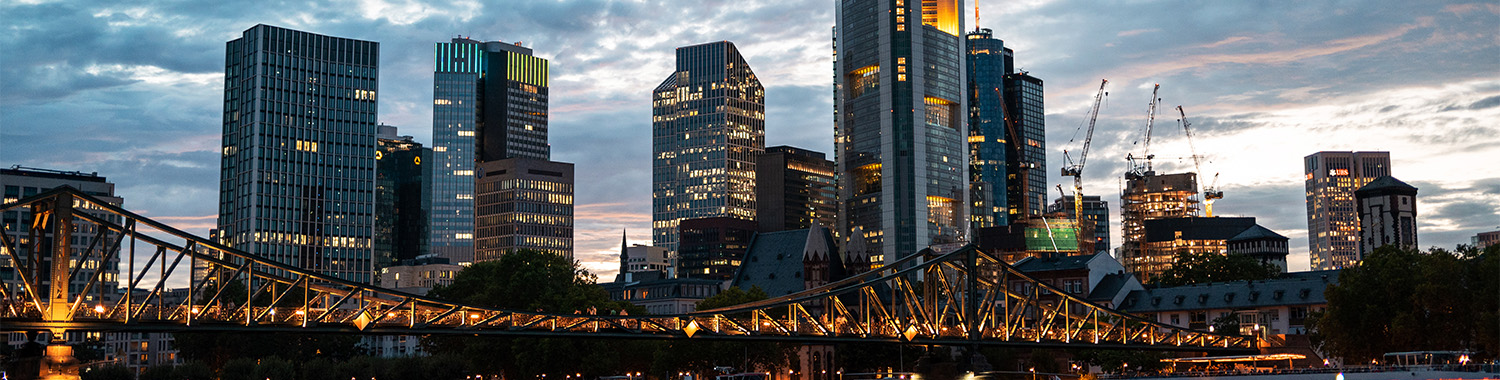
Germans value punctuality, formality, and efficiency. Standard working hours are 35–40 per week, and contracts often come with generous holiday entitlements (20+ days per year) plus public holidays.
Job portals include:
Your CV should be clear, professional, and tailored to the German format. Cover letters are essential, and many positions require German language proficiency, even if the workplace is international.
While many Germans speak English, especially in cities and younger generations, official documents, websites, and public service communications are predominantly in German. Learning basic German is essential for shopping, banking, making appointments, and navigating everyday life.
German administrative processes are known for their formality. Expect multiple appointments, physical paperwork, and long wait times. Always bring multiple copies of your documents and arrive early for appointments. Apps like Nebenan.de, Mein Elster, and expat Facebook groups can help.
Renting can be extremely competitive. Landlords often ask for:
Websites like ImmoScount24, WG-Gesucht, and Kleinanzeigen are commonly used, but scams exist—never pay before seeing a place.
Germans are polite and respectful, but may appear reserved at first. Friendships are built slowly and often through hobbies, sports clubs (Vereine), or local classes. Joining a language course is not only practical but also a great way to meet people.
Punctuality, direct communication, recycling, and rule-following are highly valued. Be mindful of quiet hours (especially Sundays), keep stairwells clean, and follow recycling guidelines strictly to avoid fines.
Germany’s winters can be long, dark, and cold. Daylight hours are short, especially from November to February. Investing in a proper winter coat, boots, and indoor lighting (or a light therapy lamp) can make a big difference.
OSS World Wide Movers is Australia’s trusted partner for seamless international relocations. With decades of experience moving individuals and families from Australia to Germany, we understand the paperwork, shipping logistics, and local nuances required to ensure a stress-free transition.
Our services include:
We operate across New South Wales, Victoria, and Queensland, delivering premium international moving services tailored to your relocation needs.
© OSS World Wide Movers P/L.
All rights reserved.
ABN 47 000 776 750