
Relocating to Hong Kong from Australia? Visas, HKID, housing, schools, living costs, pets and a 12-week moving checklist from international movers OSS.
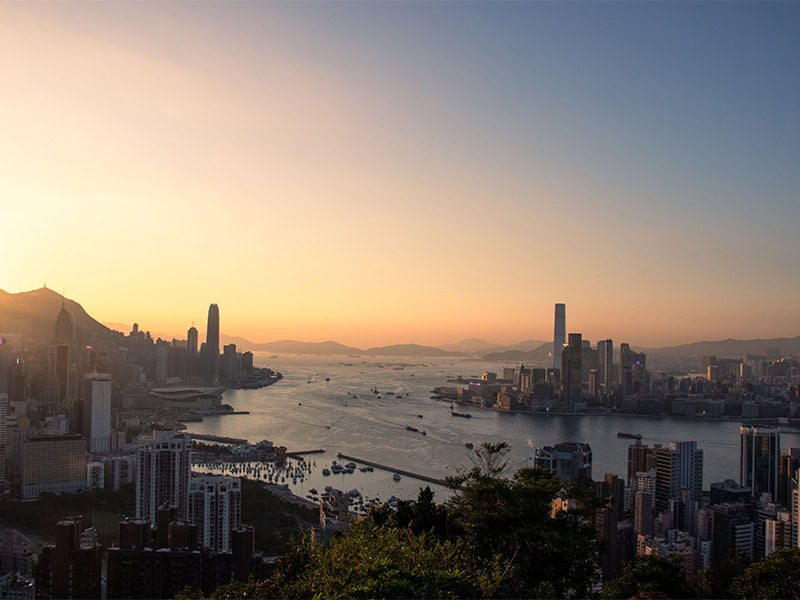
Relocating to Hong Kong from Australia puts you in one of Asia's most connected cities, about nine hours' flight from Sydney, with low income tax, excellent public transport and a large Australian community. It also means smaller homes, high rents and a visa process to sort out before you go. This guide covers what to plan before relocating to Hong Kong, from your visa and HKID card to housing, schools, pets and shipping your belongings.

Yes. Australian passport holders can visit Hong Kong visa-free for up to 90 days, but you need a visa to live, work or study there. Most Australians relocating to Hong Kong use one of these routes through the Hong Kong Immigration Department:
Employers usually sponsor and lodge employment visas. Processing times vary, so start early and check current requirements before you book flights or a removal date.
Residents aged 11 and over who are permitted to stay longer than 180 days must register for a Hong Kong Identity Card within 30 days of arrival. You will need your HKID to open a bank account, sign a lease and set up utilities, so book your appointment early.
Living in Hong Kong is fast-paced, safe and very convenient. Public transport is excellent, and most daily payments can be made with an Octopus card or phone. Hiking trails, beaches and outlying islands are close to the city.
Hong Kong has one of the largest Australian expat communities in the world, with an active Australian Chamber of Commerce and many Australian sporting and social clubs.
The biggest adjustments are usually space and cost. Rent takes up a large share of most budgets, apartments are compact, and summers are long, hot and humid.
Housing is the largest cost for most families. Groceries vary widely: local wet markets are good value, while imported Australian brands cost more. Salaries tax is low compared with Australia, with progressive rates that top out at 17%.
Your Australian tax residency, superannuation and Medicare status can change when you move. Speak with a registered tax adviser before you leave.
Where you live depends on your commute, schools and how much space you need. Popular choices include:
Access affects your move as much as your lifestyle. Steep streets, building lift rules and car-free areas all change how furniture is delivered. Our moving to Hong Kong from Australia page explains how OSS plans delivery in each area.
Most expats rent rather than buy. Apartments are measured in square feet, and listings often quote "saleable area", which is the usable floor space.
Tip: measure your key furniture before you sign a lease. A sofa, wardrobe or dining table that suits an Australian home may not fit through a Hong Kong apartment door or lift.
Hong Kong has a wide choice of international schools teaching British, American, International Baccalaureate and Australian curricula. Options include the Australian International School Hong Kong in Kowloon Tong. Popular schools can have waiting lists, and some charge debentures or capital levies on top of tuition, so apply as early as possible. It is often worth choosing a school before you choose an apartment.
Hong Kong is a free port, so most used personal and household goods can be imported without duty. The main exceptions are dutiable commodities: spirits above 30% alcohol, tobacco, hydrocarbon oil and methyl alcohol. Wine of 30% alcohol or less is duty-free. Controlled items such as firearms, certain medicines and endangered species products need permits or are prohibited. Check with the Hong Kong Customs and Excise Department if you are unsure.
Ship items that are valuable, sentimental or hard to replace, and that will fit your new home. Sell or donate bulky, low-value pieces. If you plan to return to Australia, storage can be cheaper than buying again later.
Hong Kong uses 220V, 50Hz power with UK-style three-pin sockets. Many Australian appliances are rated for this voltage and only need a plug adaptor. Check each appliance label. Large white goods are often not worth shipping because apartments may include them and sizes differ.
Dogs and cats need a special permit from Hong Kong's Agriculture, Fisheries and Conservation Department (AFCD). Pets travelling directly from Australia can usually enter without quarantine if they meet the AFCD's health and residency conditions, including microchipping and a veterinary health certificate.
Start pet preparations at least two to three months before you fly. Check that your building allows pets before you sign a lease, as some don't.
Hong Kong drives on the left, but importing a car is expensive. Vehicles must meet local emissions and type-approval standards, and First Registration Tax applies. Most Australians sell their car and use public transport, which is excellent. Parking is scarce and costly.
Holders of a full Australian driver's licence can usually drive in Hong Kong for up to 12 months, and may be able to convert to a Hong Kong licence without a test. Check current rules with the Transport Department.
The cost of moving to Hong Kong depends on how much you ship, whether you choose a shared container, a sole-use container or air freight, packing requirements, storage and building access at delivery. The best way to budget is a written quote based on an inventory of your home. Get a moving quote to Hong Kong from OSS and we will recommend the right shipping option for your household.
Many Australians find Hong Kong a rewarding place to live. It offers a strong job market in finance, law and business, low income tax, safety, excellent transport and easy travel around Asia. The trade-offs are high rents, smaller homes and humid summers.
Yes. English is an official language alongside Chinese, and it is widely used in business, government and international areas. Cantonese is the most widely spoken language day to day, and learning a few phrases is appreciated.
Allow at least 12 weeks to sort out a visa, housing, schools and your shipment. Visa processing times vary, and sea freight usually takes several weeks door to door, so many families send essentials by air and live in serviced apartments at first.
Yes. Your superannuation stays in Australia when you move overseas. In Hong Kong, most employees contribute to the Mandatory Provident Fund (MPF). Get advice on how moving affects your super, tax and insurance before you leave.
Hong Kong is two hours behind Sydney, Melbourne and Brisbane, or three hours behind Sydney and Melbourne during Australian daylight saving. Perth and Hong Kong share the same time zone.
Relocating to Hong Kong is easier when the logistics are handled for you. OSS World Wide Movers has helped families move overseas since 1969, with teams in Sydney, Melbourne and Brisbane coordinating packing, shipping and apartment delivery. See how we handle international removals to Hong Kong.
© OSS World Wide Movers P/L.
All rights reserved.
ABN 47 000 776 750